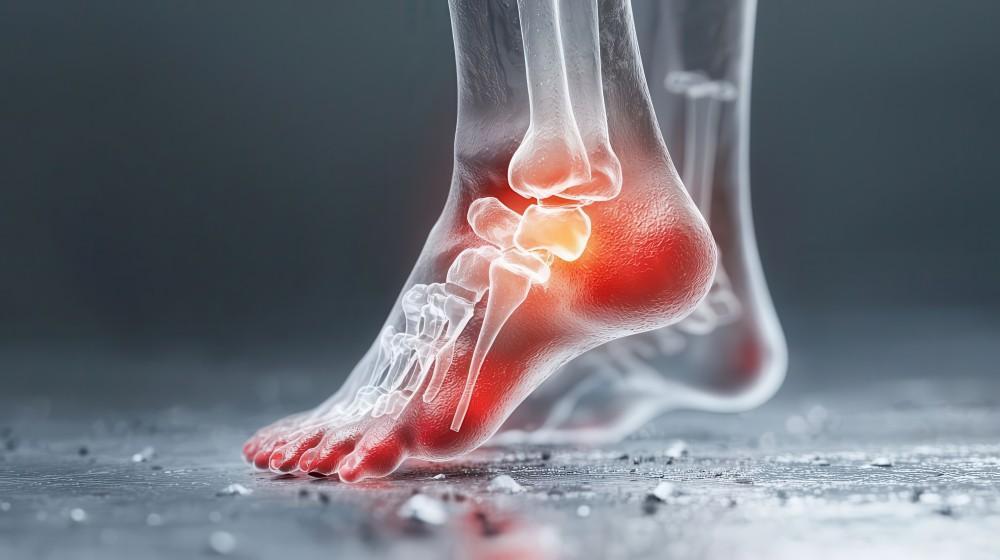
Has your heel been bothering you when you get up and move? Several foot problems can cause heel pain, and heel spurs are among the most common culprits.
If a naggingly painful heel spur develops anywhere on your heel, following a care plan developed by podiatrists Thomas Rambacher, DPM, FACFAS, FAPWCA, and Amber O’Connor, DPM, of Podiatry Hotline Foot & Ankle in Mission Viejo, California, can keep the pain away and get you back on your feet again. Here’s what you need to know about heel spurs and how to treat them.
What is a heel spur?
Heel spurs are bony growths that grow from the heel. They can be located on the side or the bottom of your heels.
Heel spurs are very common, and you may even have one without knowing it when it’s not painful and not large enough to protrude visibly from your foot. Unfortunately, some heel spurs can become very painful or get large enough to impact how your shoes fit.
What causes heel spurs?
You get heel spurs when your heel grows calcium deposits as a response to stress being put on the surrounding areas of the foot. The strain on your foot is usually long-term, and the heel spurs grow slowly.
Anyone can get heel spurs, but you’re more likely to get one if you have a related foot or ankle condition, such as plantar fasciitis. They’re also particularly common in athletes, especially if your sport involves running or jumping on hard surfaces.
Wearing improper shoes for your activity, being middle-aged or older, and obesity are also contributing factors to the development of heel spurs.
What are the symptoms of heel spurs?
Not all heel spurs have symptoms. But when they do, the most common are:
- Sharp or stabbing heel pain
- Visible bumps protruding from your heel
- Swelling or tissue growth around a small heel bump
Our team examines your heel and takes X-rays to determine if heel spurs or another condition is causing your heel pain.
How do you treat heel spurs?
Once they appear, heel spurs don’t go away on their own. The only way to get rid of a heel spur is to surgically remove it.
That said, many heel spurs can be managed successfully through nonsurgical conservative care. Heel spurs often occur alongside other foot and ankle problems. Treating the conditions concurrently leads to the best outcomes.
Nonsurgical heel spur treatments
The majority of heel spurs don’t require surgery. Some heel spurs resolve permanently with simple rest and a short break from stressful physical activity.
You can prevent and ease heel pain by taking pain-relieving and anti-inflammatory medication, icing the area, and performing a gentle stretching routine. Our team also recommends shoes and molds medical-grade custom orthotics that alleviate pain and reduce the odds of your heel spur getting bigger.
When those treatments aren’t enough, our team can also administer corticosteroid injections that reduce swelling and pain around the heel spur.
Surgical heel spur treatments
When conservative measures don’t work, our team can remove your heel spur with a surgical procedure. We perform the most minimally invasive surgery possible to ensure you have a shorter recovery period and can get back on your feet more quickly.
Heel spurs can be painful or uncomfortable, but our team ensures your heel spurs and any underlying conditions don’t keep you off your feet forever. Contact us to have your heel pain evaluated as soon as possible.